Endoscopic care
Endoscopy
An endoscopy lets me see the inside of your GI tract, including the esophagus and stomach, directly with a fiberoptic camera.
Upper Endoscopy
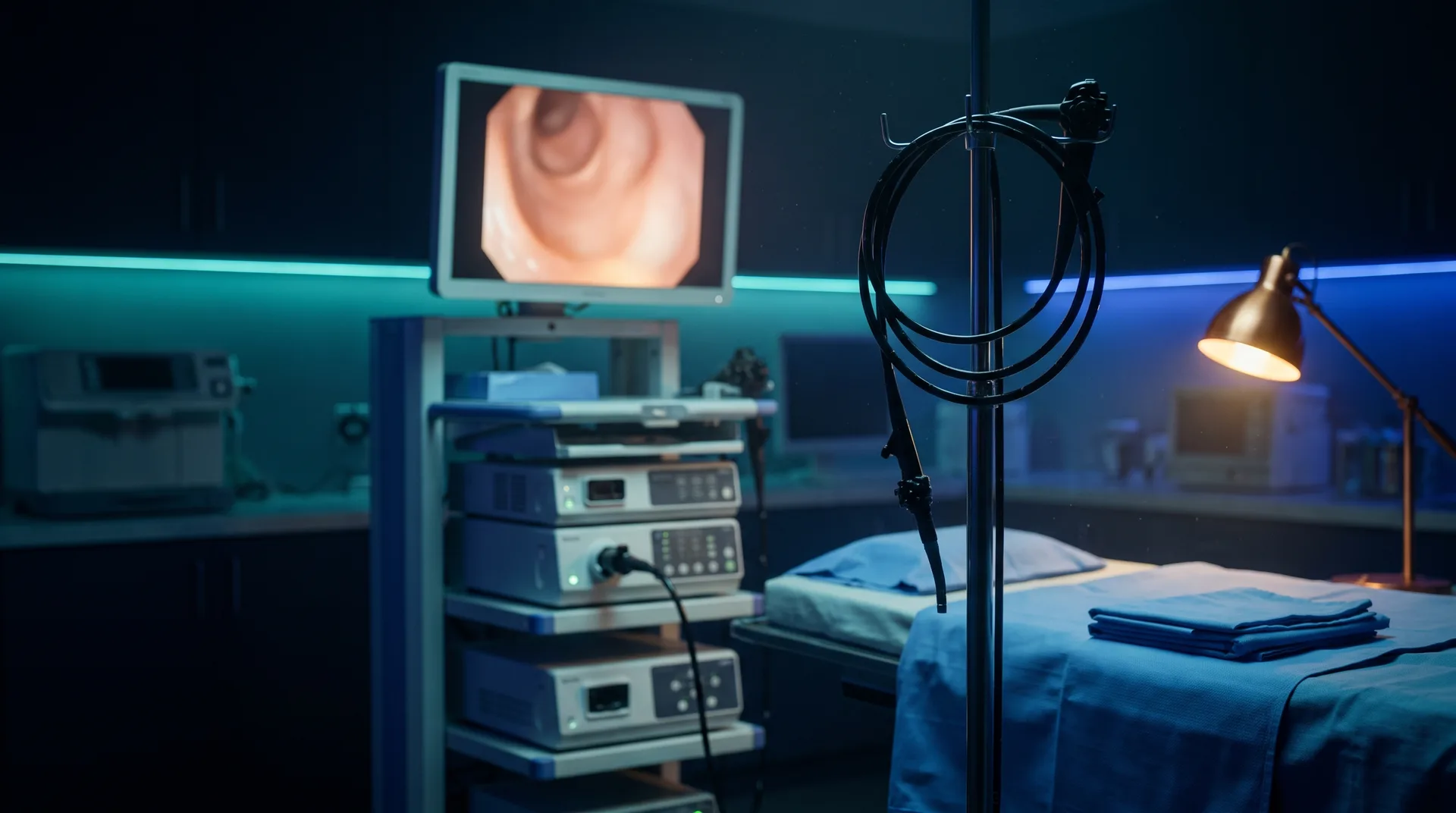
An upper endoscopy is when the patient is sedated and a thin, flexible camera is placed through the mouth and down through the esophagus into your stomach. There are no incisions. This is utilized to take a direct look at the tissues of your esophagus and your stomach for surgical preoperative planning purposes, evaluate the anatomy for the presence of a hiatal hernia, and perform possible pH testing to evaluate and diagnose abnormal acid reflux.
Some indications for evaluation are patients with chronic heartburn that is increasing in frequency, chronic symptoms being treated with medication that is no longer effective or requires an increased dose, patients who no longer desire to continue taking medication, or patients with any of the above who have never been evaluated with endoscopy.
The procedure itself is short. You will come for the procedure with an empty stomach. You will have instructions about when to stop eating and drinking, and about your medications. Follow them exactly, or the procedure may have to be rescheduled. The procedure is performed under anesthesia. The anesthesia team will discuss expected comfort, awareness, recovery, and risks with you. You will need someone to drive you home after this procedure.
Your results will be discussed with you in detail at your follow-up appointment.
Diagnostic Endoscopy for Preoperative Evaluation and Planning
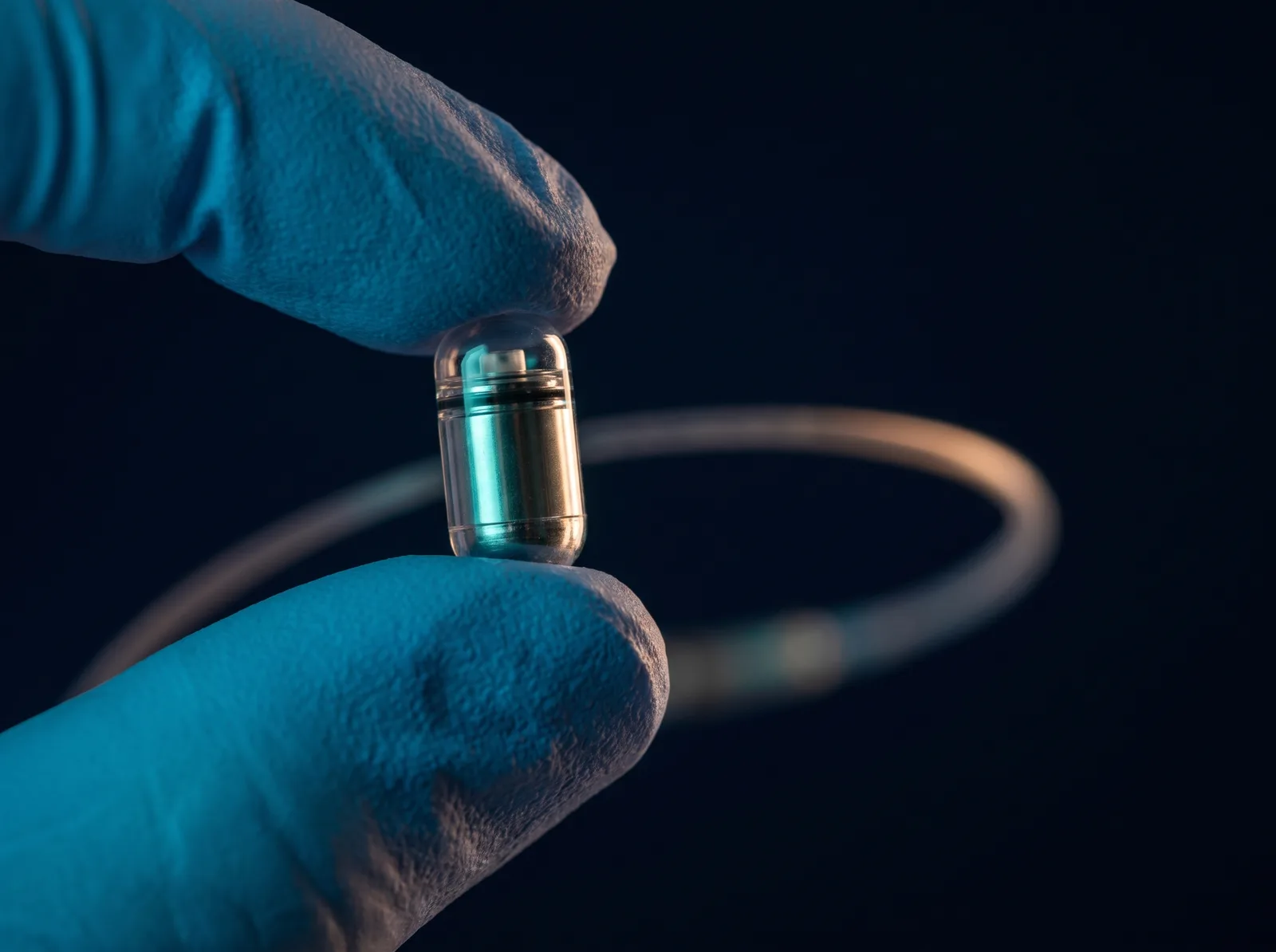
Working through the endoscope, the esophagus and stomach will be evaluated and a pH testing capsule is placed, as needed. The capsule, which passes on its own, measures the amount of acid exposure within the esophagus over the next couple of days.
The results of your pH capsule study will then be read by your surgeon and discussed with you in detail at your follow-up appointment.
Endoscopic Suturing
Endoscopic suturing procedures, including endoscopic sleeve gastroplasty (ESG) and transoral outlet reduction (TORe), are bariatric procedures performed entirely through the mouth with the endoscope. Dr. Good is one of very few surgeons in Colorado who performs both procedures.
Endoscopic Sleeve Gastroplasty (ESG)
Endoscopic sleeve gastroplasty, or ESG, reshapes the stomach from the inside. Everything is done through a thin flexible camera passed through the mouth. There are no incisions and no tissue is removed. It is a real option for people who do not want an operation, or who do not qualify for one.
How ESG works
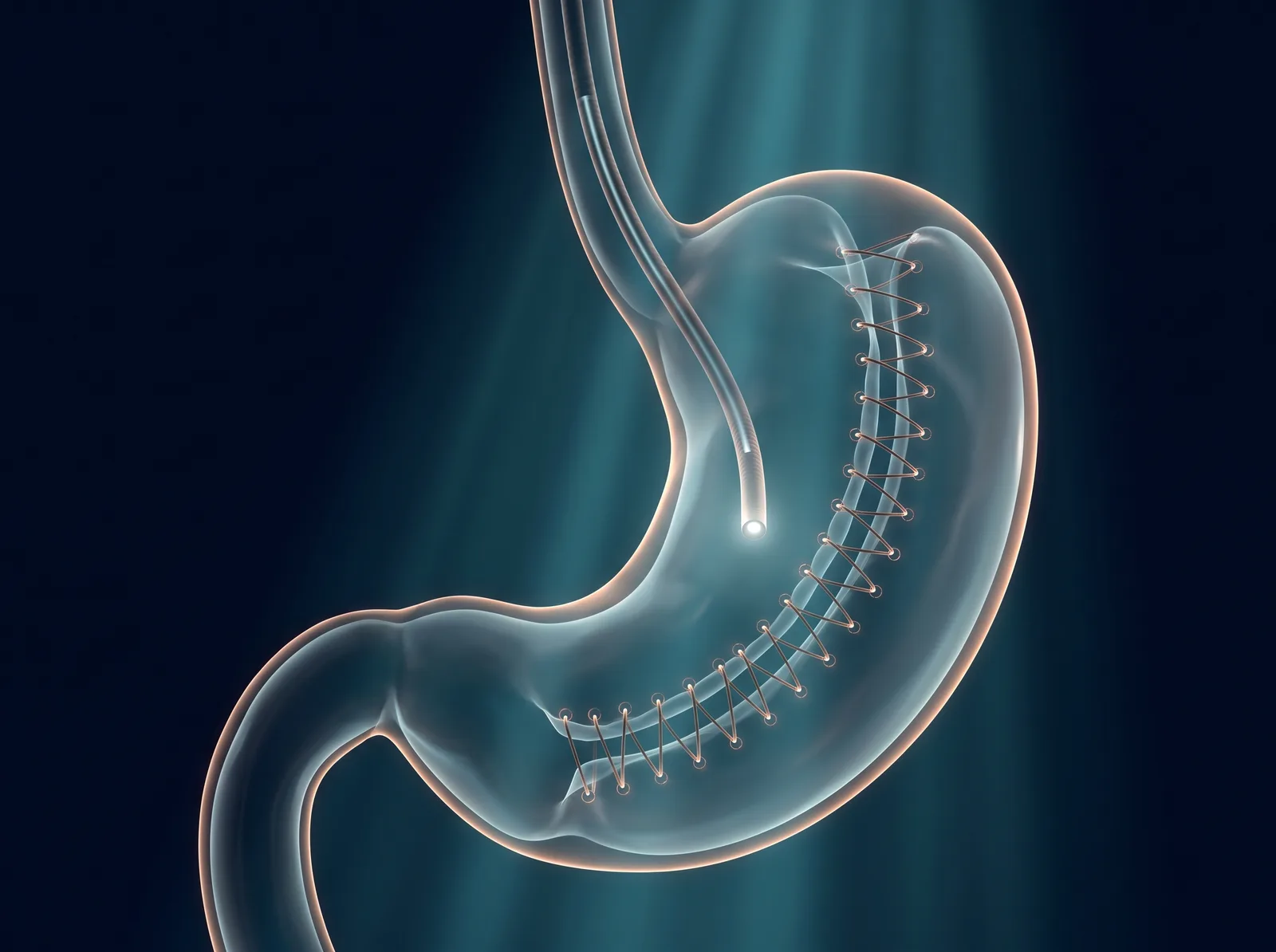
Working through the scope, I place a line of sutures, which are stitches, along the inside wall of the stomach. Drawing those stitches together folds the stomach in on itself. The stomach becomes a narrower tube and holds less. It also empties more slowly, which changes the signals your gut sends about fullness.
No part of the stomach is removed. Nothing is implanted. There is no device to adjust, refill, or replace later.
Who ESG is for
People who want treatment for their metabolic health but do not want a surgical operation.
People who are not candidates for surgery, for reasons that come out during a medical evaluation.
People who have tried medication and structured lifestyle change and are still fighting their own physiology. That is not a personal failure. It is biology, and it responds to treatment.
ESG is not right for everyone. Some anatomy and some prior procedures rule it out. That is what the evaluation is for.
What to expect with ESG
Before. We start with a conversation and a full medical evaluation. I want to understand your history, your symptoms, and what you have already tried. If ESG is not the right tool for you, I will tell you that and explain what is.
The day of. The procedure is performed with sedation or anesthesia. Your care team will discuss what to expect for comfort and recovery. Discharge timing and return to work depend on the procedure and your recovery. You will need someone to drive you.
After. You move through a staged diet, starting with liquids and working back toward regular food. We follow you closely, and that follow-up is part of the treatment, not an afterthought.
Read the full endoscopic sleeve gastroplasty page
Transoral Outlet Reduction (TORe)
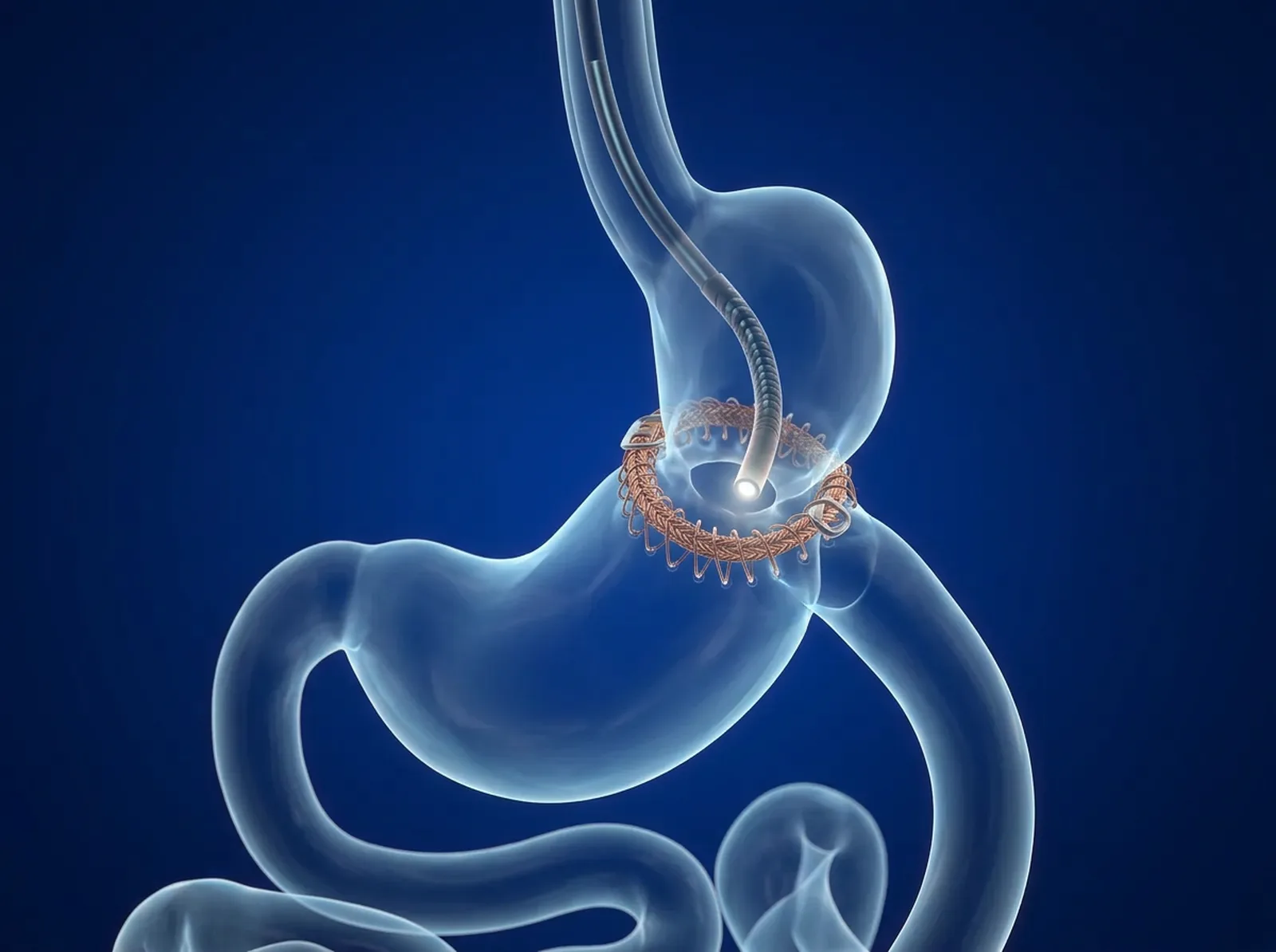
After a Roux-en-Y gastric bypass, the small stomach pouch empties into the small intestine through an opening called the outlet. Over time that opening can stretch, and weight regain can follow. Working through the endoscope, sutures are placed around the outlet and drawn together so the opening is smaller. There are no incisions and no tissue is removed.
TORe is for people who have had a gastric bypass and are experiencing weight regain or a return of hunger, when the evaluation shows the outlet has stretched. TORe is not right for everyone. The evaluation, including an endoscopy to look at the pouch and outlet, determines whether it fits.
Common questions
Ready to talk it through?
Request a consultation and we will respond within one to two business days.
Request for Information