
Robotic Technology
Robotic Surgery
Robotic technology is how the operation is performed. It is not a different operation. It is laparoscopic surgery done with instruments that give the surgeon better vision and better control.
This is a tool. The surgeon controls every movement. Small incisions, a magnified three dimensional view, and instruments that bend the way a wrist does.
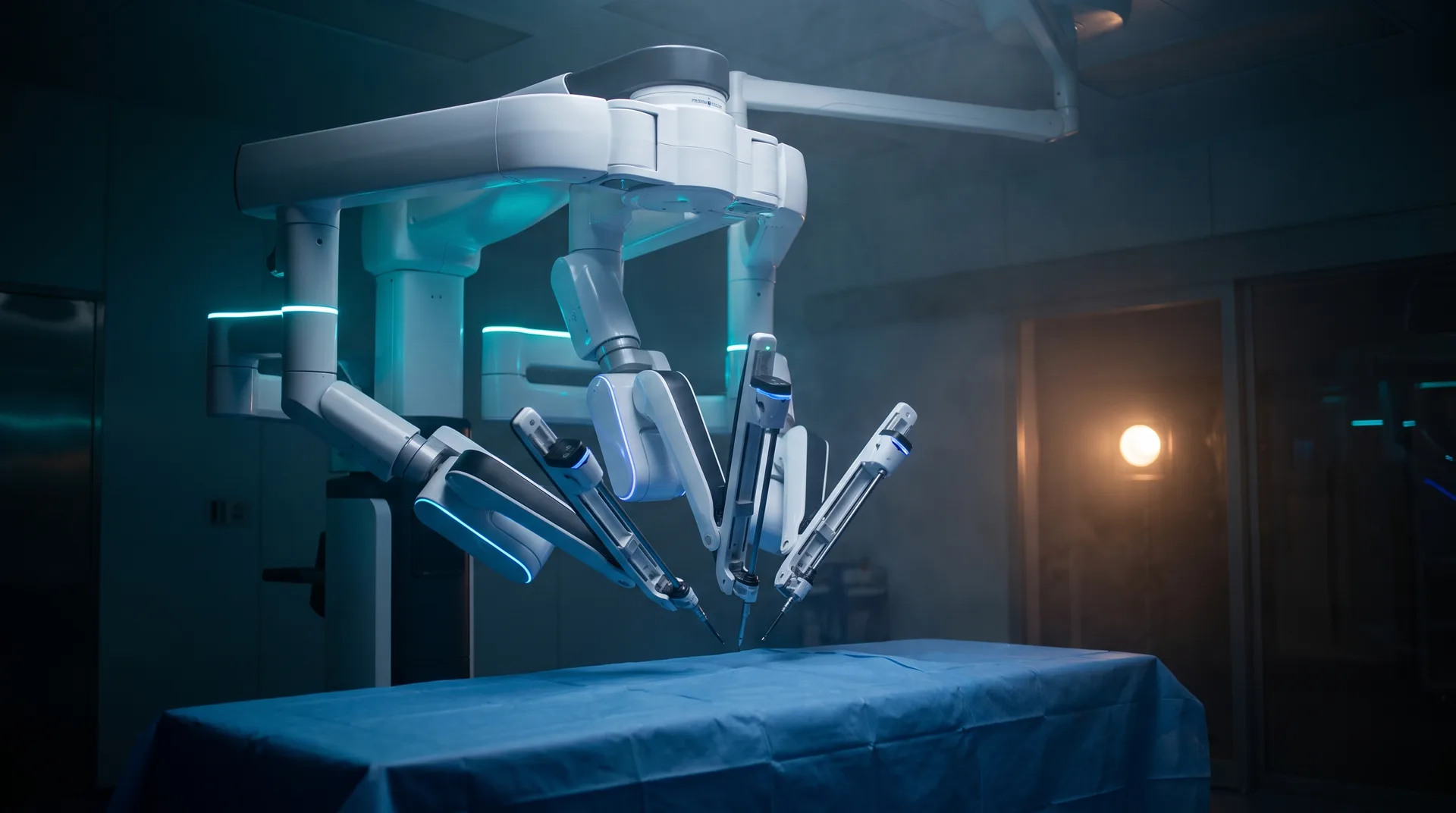
A tool that operates, not a machine
The system does not decide anything, it does not move on its own, and it does not operate without a surgeon at the console translating her hands into the instruments inside you.
For years the robot was framed as a surgeon wanting a fancier instrument. That framing was wrong. This is technology, the same way a laparoscope and a monitor were technology when they replaced a long open incision. It earns its place by what it does for the patient, not by what it looks like in a brochure.
Dr. Good has performed nearly 2,000 robotic procedures, and since 2014 has trained other surgeons on the robotic platform as a proctor for Intuitive Surgical.
Dr. Good operates using the da Vinci 5 surgical system.
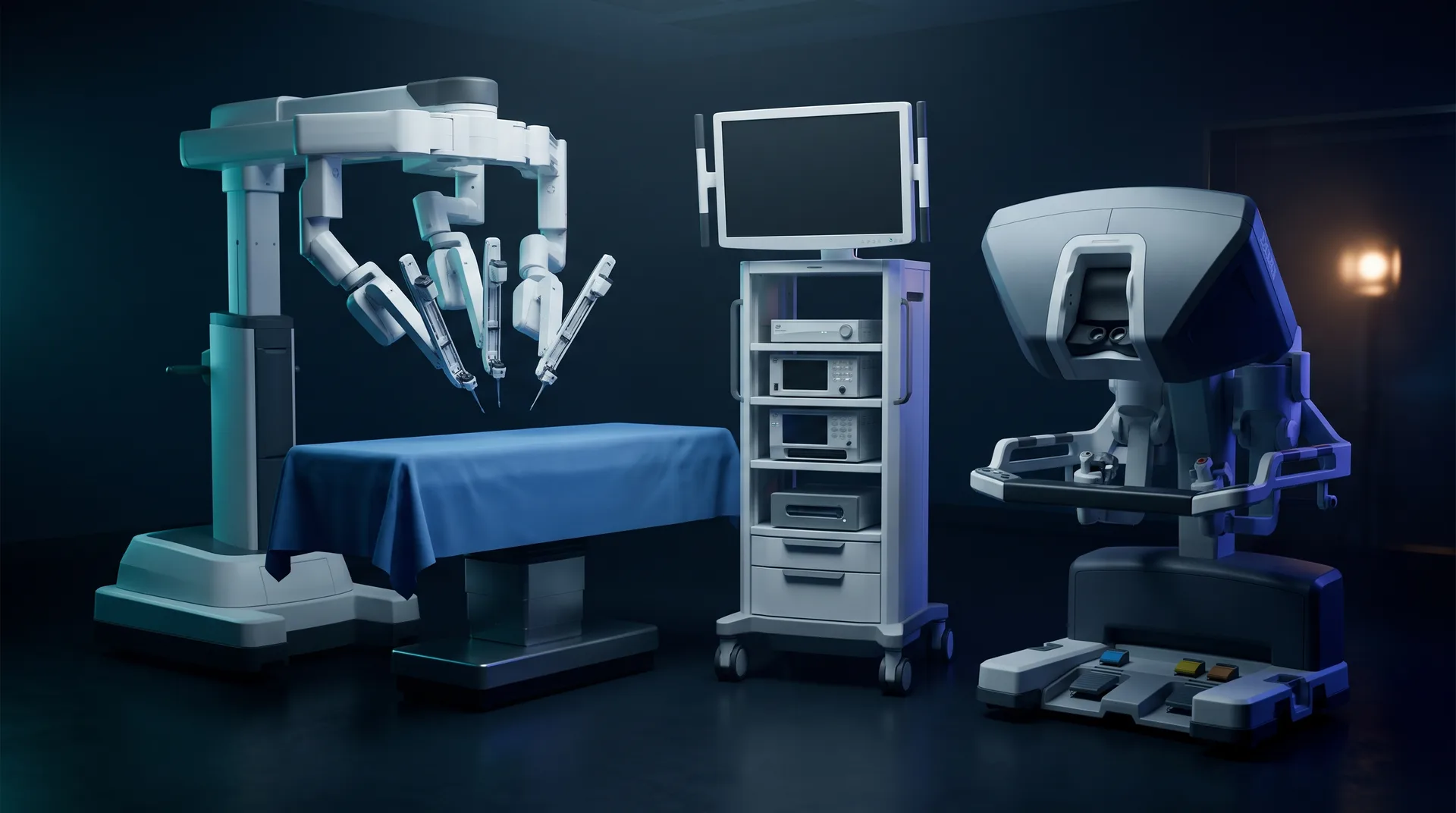
What the technology adds
Three things matter here, and they are the reasons the approach gets chosen when it is chosen.
Three dimensional vision. The view is 3D, not a flat picture on a screen. The body is three dimensional, so the surgeon can see around the anatomy rather than only at it. Depth is real, and magnification makes small structures easier to identify and protect.
Wristed instruments. The instruments articulate the way a human wrist and hand do. A straight laparoscopic instrument cannot turn a corner. These can, which matters in tight spaces such as the hiatus.
Precision and less torque. The instruments pivot at the incision rather than levering against it, so there is less torque on the abdominal wall.
Where it is used
Metabolic and bariatric surgery, hiatal hernia and anti-reflux surgery, gallbladder surgery, and hernia repair of all kinds.
Most people picture hernia repair as one of two things: an open operation with a long incision, or a laparoscopic one. There is a third answer. Robotic repair uses small incisions, magnified three-dimensional visualization, and articulated instruments. The right surgical approach depends on the hernia and the patient.
How this is decided
The approach is chosen for the patient and the problem, not by default. Some operations are better done with a straight laparoscopic approach. A few are better done open, and prior surgery, scar tissue, anatomy, certain emergencies, and the specific problem all factor into that.
I will tell you which approach I plan to use and why, before anything is scheduled.
What it is
The operation is done through several small incisions with a camera, rather than through one long incision. The surgeon sits at a console a few feet from the table and controls the instruments directly.
Who it is for
Adults who need one of the operations listed under Where it is used. Many people come after being told an operation would have to be open.
What to expect
Before. A visit, an exam, and a review of your imaging and prior operative reports.
The day of. General anesthesia and several small incisions. The instruments are placed, and the operation is performed from the console at the bedside.
After. Written instructions, a plan for pain control, a follow-up visit, and a direct way to reach the office. Recovery depends on which operation was done, so you get that timeline in person rather than as a number on a website.
Common questions
Ready to talk it through?
Request a consultation and we will respond within one to two business days.
Request for Information