
Surgical care
General Surgery
I am a general surgeon by training. Five of my seven training years were general surgery, and it is still part of what I do. That training is the foundation everything else is built on.
In this practice, general surgery means three things: the gallbladder, hernias of all kinds, and the appendix. These are the operations I do often, and they are done laparoscopically wherever that is the right approach.
Procedures performed
- Gallbladder surgery. Removal of a symptomatic or inflamed gallbladder through small incisions.
- Inguinal hernia repair. Repair of a groin hernia using an approach selected for the defect and your history.
- Abdominal wall hernia repair (umbilical, ventral, incisional). Repair of a defect at the navel, abdominal wall, or a prior surgical incision.
- Hiatal hernia repair. Repair planned alongside the reflux and esophageal testing that defines the problem.
- Appendix surgery. Removal of an inflamed appendix, usually through small incisions.
- Small bowel surgery. Evaluation and surgical treatment of selected problems affecting the small intestine.
- Large bowel and colon surgery. Evaluation and surgical treatment of selected problems affecting the large intestine and colon.
- Soft tissue mass removal. Removal of selected soft tissue masses after examination and appropriate evaluation.
Other general surgical procedures are considered on a case by case basis after evaluation.
Gallbladder Surgery
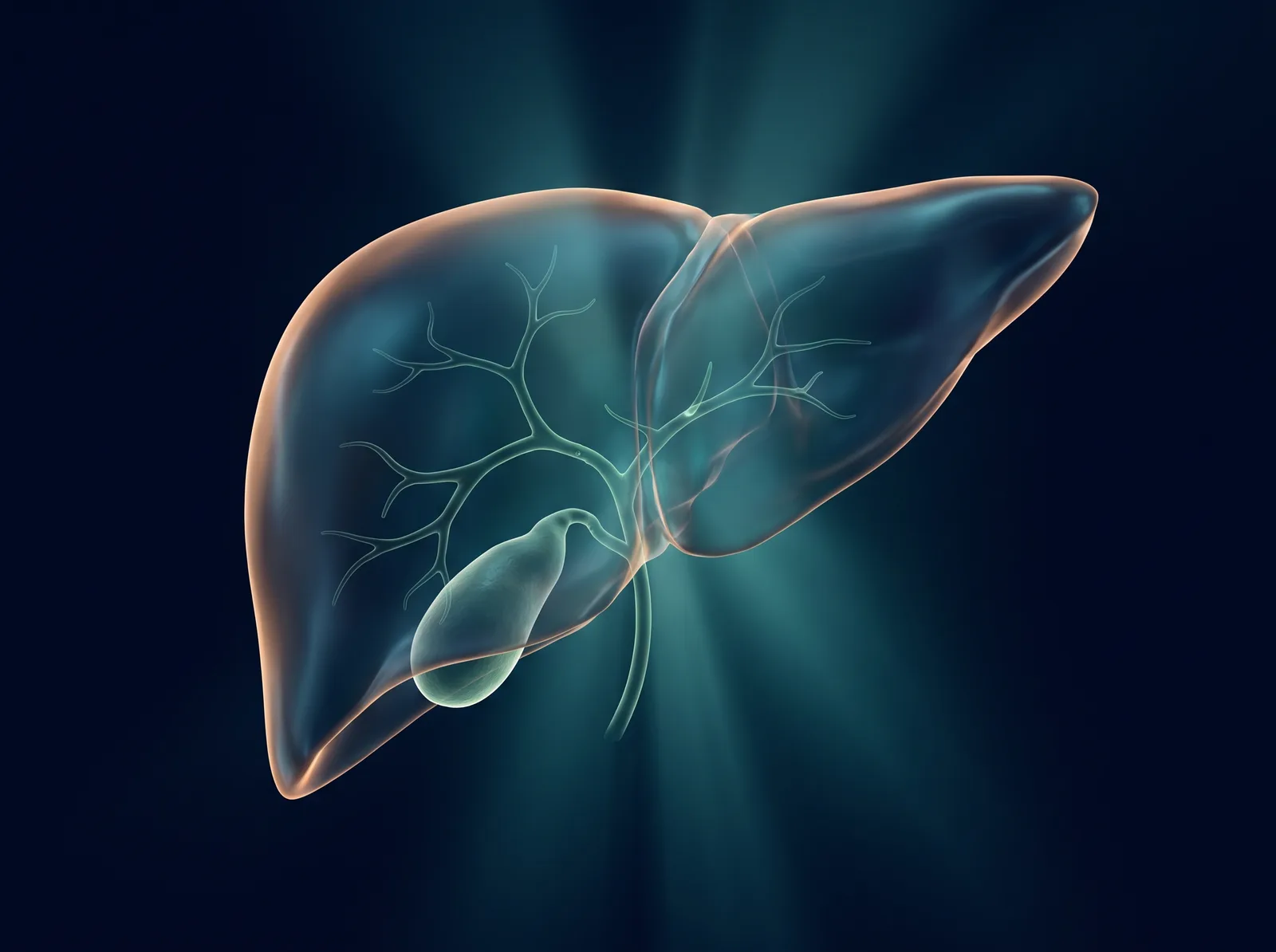
The gallbladder stores bile, which helps you digest food. When stones form, or when the gallbladder stops emptying the way it should, it causes pain. The pain is often in the upper right side or the center of the abdomen, sometimes after a meal, sometimes reaching into the back or shoulder. Nausea is common.
Once a gallbladder is causing symptoms, it usually keeps causing them. The treatment is to remove it. Your body handles digestion without it.
Removal is done laparoscopically through several small incisions with a camera. I will explain what the imaging shows and what I expect to find before we schedule anything.
Hernia Repair
A hernia is a gap in the wall of muscle and tissue that holds your organs in place. Something pushes through that gap. You may see a bulge, feel pressure or a pulling sensation, or notice it gets worse when you lift, cough, or stand for a while.
Hiatal hernias, where part of the stomach moves up through the diaphragm, often show up alongside acid reflux, and I evaluate the two together.
Repair means closing the gap and reinforcing it so it holds. The approach depends on the type of hernia, its size, and your anatomy. I go through the options for your specific hernia in person, including whether repair needs to happen now or can be watched.
Most people picture hernia repair as either an open operation or a laparoscopic one. There is a third option. Robotic repair uses small incisions, magnified three-dimensional visualization, and articulated instruments. The right surgical approach depends on the hernia and the patient.
Appendectomy
The appendix is a small pouch attached to the large intestine. When it becomes inflamed or infected, it needs to come out, usually without much delay. The pain often starts near the belly button and settles in the lower right side. Fever, nausea, and loss of appetite are common.
Removal is done laparoscopically through small incisions. This is an urgent operation, not a scheduled one, so it usually starts in an emergency department rather than in my office.
Who it is for
Adults with gallbladder symptoms, a hernia, or a suspected appendix problem. Many patients come from a primary care physician who has already done imaging or lab work. Bring that with you if you have it.
Some patients are already being seen here for metabolic care or acid reflux and need a gallbladder or hernia addressed as well. That is common, and it is often possible to plan both together.
What to expect
Before. A visit, an exam, and a review of your imaging. If more testing would change the plan, I order it. If it would not, I do not. You leave knowing whether an operation is recommended and why.
The day of. These are laparoscopic operations done under general anesthesia through small incisions. You will get specific instructions about eating, drinking, and medications ahead of time.
After. You get written instructions, a plan for pain control, a follow-up visit, and a direct way to reach the office with questions. Recovery differs by procedure and by person, so I give you that timeline in person rather than as a number on a website.
Common questions
Ready to talk it through?
Request a consultation and we will respond within one to two business days.
Request for Information